
August 2019 was an active month for WordPress, with steady progress across core development, plugins, and community tools. The focus stayed on preparing the platform for future releases, improving the block editor experience, and encouraging better performance and security practices. This edition highlights the key updates the changes that continued to shape WordPress ecosystem.
Mergers, Acquisitions, and Investments
This month included a few steady changes across the WordPress ecosystem. The focus stayed on strengthening existing platforms and improving tools that many users already relied on. Rather than major expansion moves, these acquisitions showed a practical approach to growth and long-term product alignment.

Automattic Acquired ZBS CRM
Automattic acquired ZBS CRM to improve business and customer management tools within WordPress. The plugin helped small businesses track leads, customers, and sales directly from their websites. By bringing ZBS CRM into its ecosystem, Automattic strengthened its focus on supporting business users and service-based websites.
Automattic Acquired Tumblr
Automattic acquired Tumblr, adding a well-known blogging and social platform to its portfolio. Tumblr remained a popular space for creative content and short-form publishing. The acquisition aligned with Automattic’s broader mission around open publishing and giving users more control over their content online.
WordPress Core Updates
This month focused on steady improvements across WordPress core. The work stayed practical, with developers improving stability, security, and the overall editing experience while preparing the platform for upcoming releases.
Most updates centered on future readiness, making WordPress safer, faster, and easier to maintain for both users and contributors.
- PHP Version Updates: Make WordPress announced plans to increase the recommended PHP version and move users away from PHP 5.6 and older. This helps improve performance, security, and long-term compatibility.
- WordPress 5.2.3 Planning: Core teams began planning the 5.2.3 maintenance release. The focus stayed on bug fixes and stability rather than new features.
- Gutenberg Editor Improvements: Gutenberg updates refined block grouping, inner block selection, and small UI details like snackbar notices. These changes made the editor feel smoother and easier to use.
- Security and Auto-Updates: Discussions focused on strengthening auto-update security by relying more on HTTPS and SSL checks instead of older signature methods.
- Site Health Guidance: A new dashboard alert was planned to notify users running PHP 5.6 or lower, helping them understand the need to upgrade.
- Development Environment Improvements: A new Docker-based local development environment was introduced to make it easier for contributors to work on WordPress core.
Other WordPress News
This month included a mix of plugin milestones, community updates, and development progress across the WordPress ecosystem. The focus stayed on growth, better tooling, and improving how contributors and users work with WordPress.
- Plugin Milestone: Elementor crossed 3 million active installations, highlighting its growing role in how users build pages and layouts on WordPress.
- Development and Updates: WP-CLI v2.3 was released with improved commands for managing WordPress sites. The Mobile Team began testing version 13.2 of the WordPress apps, and custom blocks were introduced for WordCamp websites.
Security Alerts & Plugin Vulnerabilities
This month included a few important security issues that required attention from site owners.

These cases highlighted why regular updates and plugin monitoring matter.
- Easy2Map Plugin Removal: The Easy2Map plugin was removed from the WordPress plugin repository after a serious Stored XSS vulnerability was discovered. The issue allowed attackers to inject malicious scripts into websites using the plugin.
- YITH WooCommerce Plugin Vulnerabilities: Security issues were identified in the YITH Plugin Framework (version 3.3.7 or lower), tracked as CVE-2019-16251. The vulnerability affected multiple YITH WooCommerce extensions, making updates necessary to avoid potential exploits.
Site owners using these plugins were advised to update, replace, or remove affected plugins to reduce security risks.
Industry Trends and Insights
Gutenberg adoption continued to grow as development moved quickly toward improving the block editor. Updates focused on making layout creation more intuitive, helping users build pages with less friction and more control.
At the platform level, WordPress raised the recommended minimum PHP version to 7.0. This shift reflected a broader move toward better performance, security, and modern development standards across the ecosystem.
WordCamp websites also began using custom blocks within the editor for content creation. This showed growing confidence in the block editor and signaled its expanding role beyond regular websites into community and event-driven projects.
Theme of the Month: Astra
Astra gained strong attention in August for its lightweight structure and fast loading times. It appealed to users who wanted clean designs without sacrificing performance or flexibility.
The theme worked well with popular page builders and offered easy customization options. This made Astra a practical choice for blogs, business websites, and developers looking for a reliable foundation.
Plugin of the Month: Wordfence
Wordfence continued to be a trusted security plugin for WordPress users. It helped protect websites from common threats like malware, brute-force attacks, and unauthorized access. Its firewall and scanning features made security easier to manage, especially for site owners without technical expertise. Wordfence remained a key tool for maintaining site safety.
Agency of the Month: Seahawk Media
Seahawk Media stood out for its focus on WordPress-only services and agency support. The team worked with businesses to handle development, maintenance, and optimization needs.
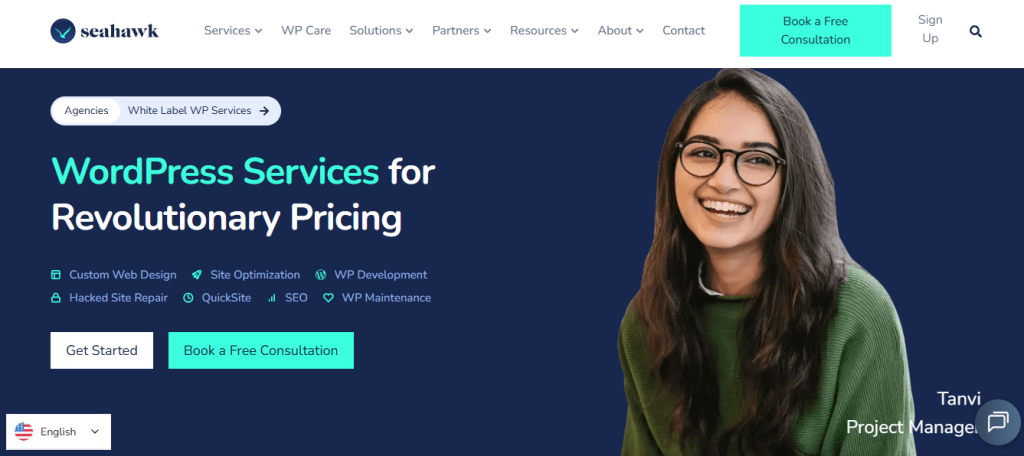
Its structured approach and scalable service model helped agencies manage client websites more efficiently. Seahawk continued to grow its reputation in the WordPress services space.
Host of the Month: Bluehost
Bluehost remained a popular hosting choice for WordPress users. Its beginner-friendly setup and WordPress recommendations made it easy to get started. The host offered stable performance and simple site management tools. This made Bluehost a common option for bloggers and small businesses launching WordPress websites.
Founder of the Month: Chris Pearson
Chris Pearson, founder of the Thesis Theme for WordPress, continued to be a recognized name in the WordPress community. Thesis remained widely used by developers and site owners who wanted more control over layout, structure, and site performance.
His work on the Thesis helped shape how WordPress themes approached customization and SEO at the time. By focusing on clean code and flexible design options, Chris Pearson influenced many developers building themes and frameworks during this period.
Looking Ahead to September 2019
September 2019 is expected to continue the momentum around Gutenberg development and core maintenance work. Testing, refinements, and compatibility checks are likely to remain a priority as WordPress moves closer to its next major milestones.
Developers and site owners will also keep an eye on PHP upgrades, security updates, and ongoing improvements across plugins and tools as the ecosystem continues to evolve.