
June 2019 was a defining month for the WordPress ecosystem, shaped by major events, rising security concerns, and steady platform improvements. While core updates focused on stability after the 5.2 release, the broader community saw significant movement across hosting, plugins, and global events.
At the same time, WordCamp Europe in Berlin brought together thousands of users and developers, highlighting key shifts in user behavior, performance expectations, and the future of Gutenberg. From ecosystem consolidation to growing security risks, June reflected both the scale and complexity of WordPress as it continued to power a larger share of the web.
Mergers, Acquisitions, and Investments
In June 2019, there was only one major acquisition in the WordPress space: WP Engine acquired Flywheel. This brought together two well-known hosting companies. WP Engine focused on larger businesses, while Flywheel was popular with designers, freelancers, and small teams for its simple and easy-to-use platform.
No other major mergers, acquisitions, or investment deals were reported during the month. The focus remained on this single deal, which showed how hosting companies are increasingly combining their strengths to offer better tools and support to a wider range of users.
WordPress Core Updates
Last month focused on improving stability after the major WordPress 5.2 “Jaco” release. Instead of adding new features, the Core team focused on fixing issues and refining the experience, especially in the block editor and admin tools.
These updates may not feel big on the surface, but they help keep WordPress reliable. Small fixes improve performance, make the dashboard easier to use, and ensure sites run smoothly without disruptions.
- WordPress 5.2.2: Released on June 18, 2019, as a maintenance update. It included 13 bug fixes and improvements, mainly focused on the block editor and site administration.
- Site Health Improvements: The Site Health tool received small refinements, including better alignment of header elements and improved access control using new filters, making it more flexible for developers.
- Accessibility Enhancements: The update improved keyboard navigation across dashboard elements, making it easier for users to interact with WordPress without a mouse.
- Internationalization Updates: Several similar translation strings were merged to improve performance and make language handling more efficient across different sites.
Other WordPress News
June 2019 was a big month for the WordPress community, driven by major events, product previews, and important platform updates. While Core focused on stability, the broader ecosystem saw strong momentum in growth, innovation, and global participation.
From record-breaking WordCamp attendance to new feature proposals, the month highlighted how fast the WordPress community continues to evolve. These updates reflect both technical progress and growing global adoption.
- WordCamp Europe 2019 (Berlin): The largest WordPress event to date took place from June 20–22, with over 2,700 attendees from 97 countries and more than 3,200 tickets sold.
- Google Site Kit Preview: Google introduced a developer preview of its Site Kit plugin, allowing users to view Search Console and Analytics data directly inside the WordPress dashboard.
- WordCamp Europe 2020 Announcement: It was officially announced that the next WordCamp Europe would be held in Porto, Portugal.
- Spanish Translation Milestone: The Spanish WordPress community became the first to fully translate WordPress Core, mobile apps, and the top 200 plugins, marking a major global achievement.
- PHP Version Update: WordPress raised its minimum PHP requirement to 5.6, pushing users toward more secure, modern hosting environments.
- XML Sitemap Proposal: Adding native XML sitemap functionality to WordPress Core would reduce the need for third-party SEO plugins for this feature.
Security Alerts and Plugin Vulnerabilities
Past month was a high-risk period for WordPress security, marked by major supply-chain attacks and critical plugin vulnerabilities that affected thousands of websites. These incidents showed how quickly attackers could exploit trusted plugins and why regular updates became essential.

Most risks during this time came from plugins rather than WordPress Core. Attackers focused on widely used tools, making even small vulnerabilities dangerous at scale. The events of this month heightened awareness of monitoring, patching, and plugin safety.
- Major Supply Chain Attack: A large-scale attack injected malicious code into multiple open-source plugins. The code attempted to create hidden admin accounts and send access details to attacker-controlled servers.
- Affected Plugins: Plugins like Blaze Widget, Wrapper Link Element, Contact Form 7 Multi-Step Addon, and Simply Show Hooks were compromised. Users were advised to remove them immediately, as the WordPress team had closed them.
- WP Cost Estimation Vulnerability: This plugin had a critical flaw that allowed unauthenticated file uploads. Attackers could use this to gain full control of the site or delete important configuration files.
- High-Value Plugin Targets: Plugins such as Yoast SEO and WooCommerce were identified as common targets due to their large user bases and potential access to sensitive data.
- Top Security Risks: The most common issues included cross-site scripting (XSS), broken access controls, and arbitrary file uploads, all of which could lead to full-site compromise.
- Recommended Defenses: Experts advised using security tools like Wordfence for malware scanning and Sucuri for firewall protection. Regular plugin updates and running PHP 5.6 or higher were also strongly recommended.
Industry Trends and Insights
June 2019 showed strong growth for WordPress, along with clear shifts in user behavior and platform direction. The ecosystem continued to expand, while expectations for performance, usability, and built-in features grew.
Key insights from market data and WordCamp Europe highlighted how WordPress was evolving from a publishing platform into a more complete website-building system.
- Market Share Growth: WordPress powered over 33% of all websites and held more than 60% of the CMS market, strengthening its dominant position.
- Shift Toward WordPress Adoption: Users without a CMS increasingly chose WordPress over alternatives like Joomla and Drupal, driving faster growth.
- Gutenberg Adoption Shift: Initial resistance to the block editor began to fade as professionals recognized its long-term potential for design and content flexibility.
- Performance as Top Concern: Speed and performance remained the top concern for users, underscoring the importance of hosting quality and optimization.
- Move Toward Built-in Features: The proposal for native XML sitemaps showed a clear shift toward reducing reliance on third-party plugins for essential features.
Theme of the Month: Astra
Astra stands out as one of the most popular and widely used WordPress themes, known for its speed, flexibility, and ease of use. It is lightweight by design, which helps websites load faster while still offering strong customization options for different user types.
What makes Astra especially valuable is its compatibility with page builders like Elementor and Beaver Builder. It also comes with ready-made starter templates, making it easier to launch websites quickly. This balance of performance, design control, and simplicity makes Astra a strong choice for businesses, blogs, and agencies.
Plugin of the Month: Blogify
Blogify is a lightweight plugin built for content-focused websites. It improves blog layouts, enhances readability, and gives better control over how posts are displayed.
It is especially helpful for bloggers and publishers who want a clean and organized content experience. The plugin keeps things simple while improving performance, making it a good choice for sites that prioritize speed and user experience.
Agency of the Month: Seahawk Media
Seahawk Media remains a strong choice for WordPress services. They offer a full range of solutions, including development, design, maintenance, and security, helping businesses manage everything in one place.
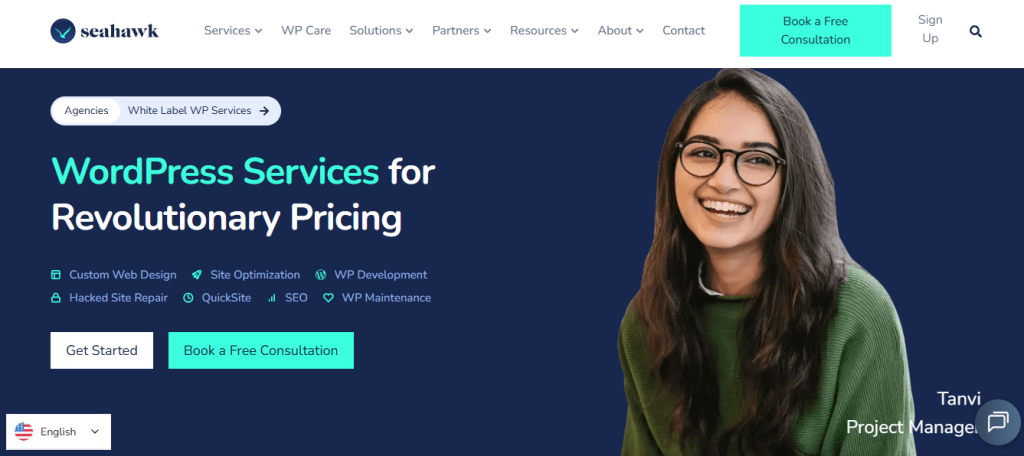
Their strength lies in scalability and ongoing support. They work with both small businesses and large agencies, offering white-label services and long-term site management, which makes them a reliable partner in a fast-moving WordPress ecosystem.
Host of the Month: Hostinger
Hostinger stands out for its strong performance, affordable pricing, and easy-to-use hosting environment. It offers good speed, reliable uptime, and a simple dashboard that works well for both beginners and experienced users.
It also offers optimized WordPress hosting with features such as one-click installs, built-in caching, and strong customer support. This makes it a practical and dependable option for users looking to launch and grow websites without high costs.
Founder of the Month: Tony Perez (Sucuri)
Tony Perez is the co-founder of Sucuri, one of the most trusted security companies in the WordPress ecosystem. He has played a key role in helping website owners understand and protect against growing online threats, especially as WordPress became a larger target for attacks.
His work focuses on website security, malware prevention, and incident response. Through Sucuri, he has helped millions of site owners stay protected with tools like firewalls, malware scanning, and monitoring. In a time when security risks are increasing, his contribution remains highly relevant to the WordPress community.
Looking Ahead to July 2019
July 2019 is expected to continue the focus on stability and gradual improvements following recent updates. The WordPress community will likely keep a close watch on Gutenberg development as the block editor continues to evolve and gain wider acceptance.
Security will remain a key priority after the issues seen in June. Plugin updates, better monitoring, and faster patching will be important as threats continue to grow. At the same time, further improvements in performance, usability, and built-in features are expected as WordPress evolves into a more complete website-building platform.